How long the swimming season actually lasts
«Three hundred days of sunshine» is written about every Spanish coast, and it is true. Nobody writes about the water — and you will be swimming in that, not in the sunshine.
Take a 20 °C threshold: below it only the hardy go in, above it an ordinary person does without arguing with themselves. That threshold shows how different the places hiding behind the word «coast» really are.
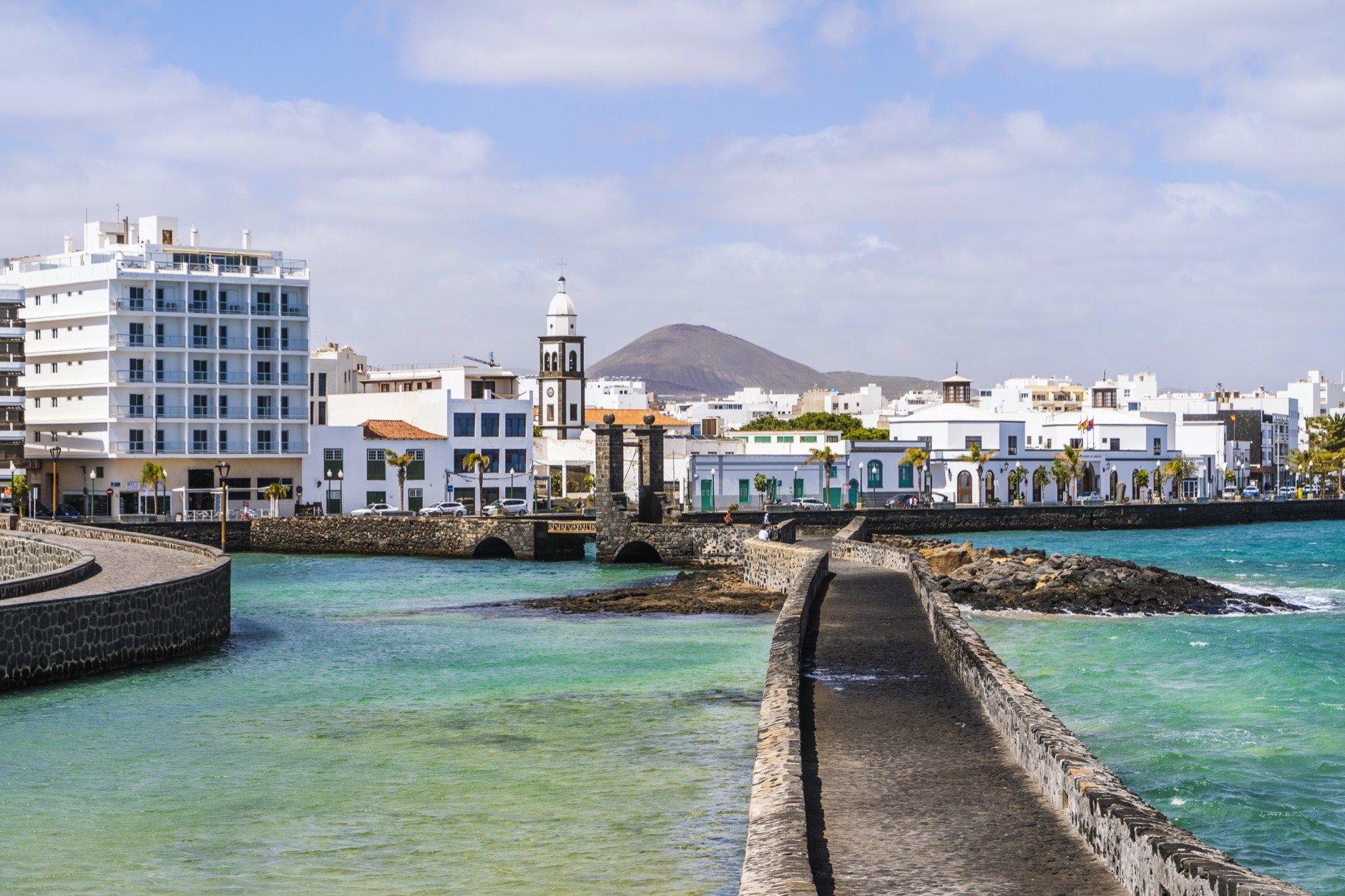
The Canaries: nearly all year
Arrecife, month by month. February and September differ by a few degrees, which is exactly why the islands live on winter tourism rather than summer.
The north: no season at all
Ferrol on the same scale. In July the water is 17.5 °C — a temperature at which the Mediterranean has not yet opened its season. The north-western Atlantic never warms up, and people move there for the price per m² and the green, not for swimming.
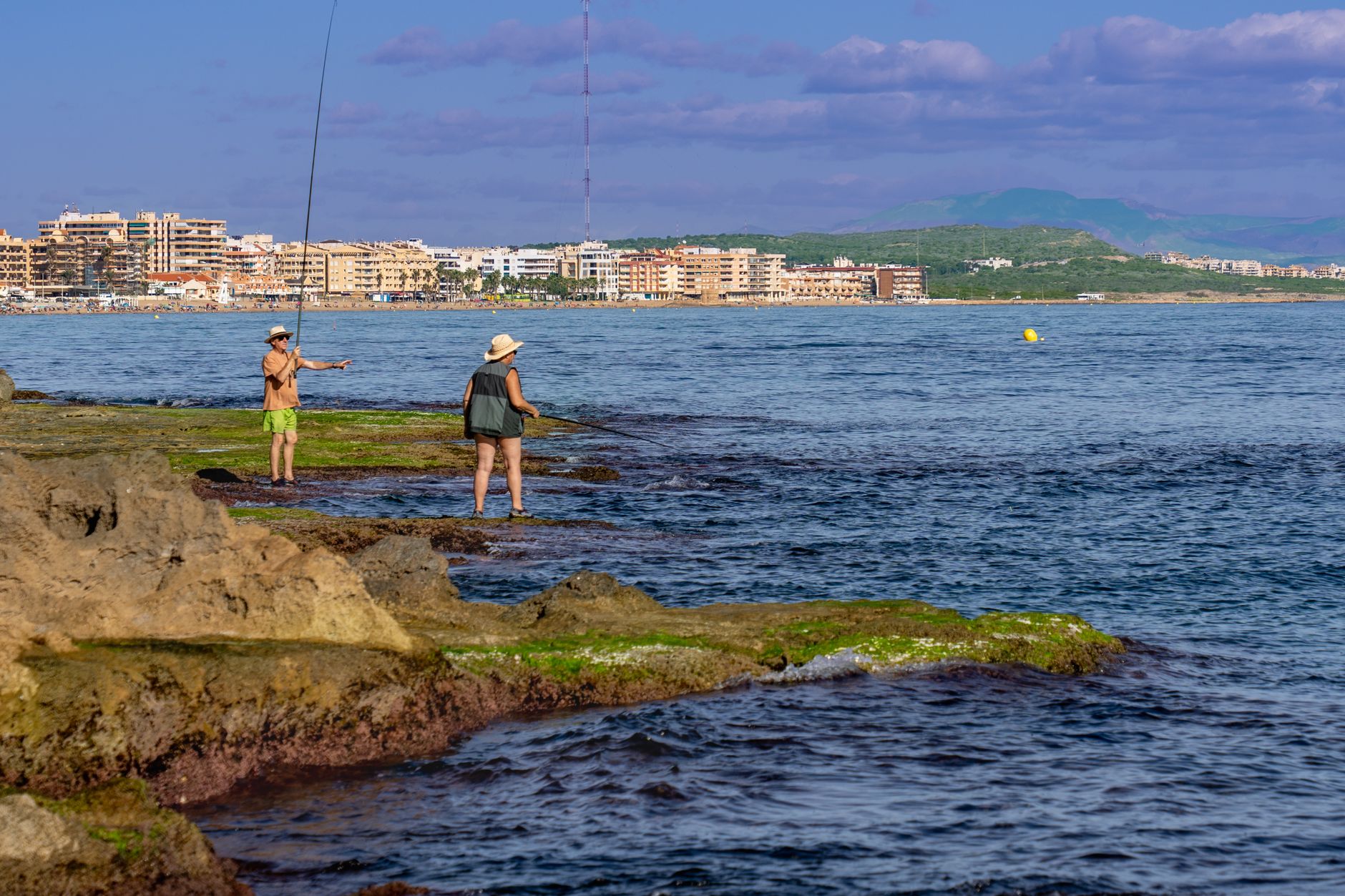
The Mediterranean: the water lags
Valencia breaks the intuition. The warmest air month and the warmest water month do not coincide: the sea catches up by late summer and holds its heat through September and October, when the beaches are already empty. June is deceptive — summer air, water not yet.
Why the water lags the air
The sea warms more slowly than land and cools more slowly too: water holds thousands of times more heat than the air above it. So the peak water temperature falls not in July, when the air is hottest, but in August and September, and the coldest water comes not in January but in February and March. The shift is about a month and a half, and it explains two annual misunderstandings.
First: June on the Mediterranean deceives. Summer air, the beach full, the water at twenty-two — four degrees below August. Second: October is underrated. No crowds, accommodation at half price, and water warmer than June's. It is the best month for a scouting trip, and a fair test of a town as well: the tourists are gone and winter has not started.
There is also a local factor that monthly averages hide: wind. On the Mediterranean a steady offshore wind pushes the warm surface layer away within a day or two and brings cold water up from below — a given bay can drop three or four degrees and recover a week later. So a monthly average describes the climate but promises nothing about a particular Tuesday.
Four different seas
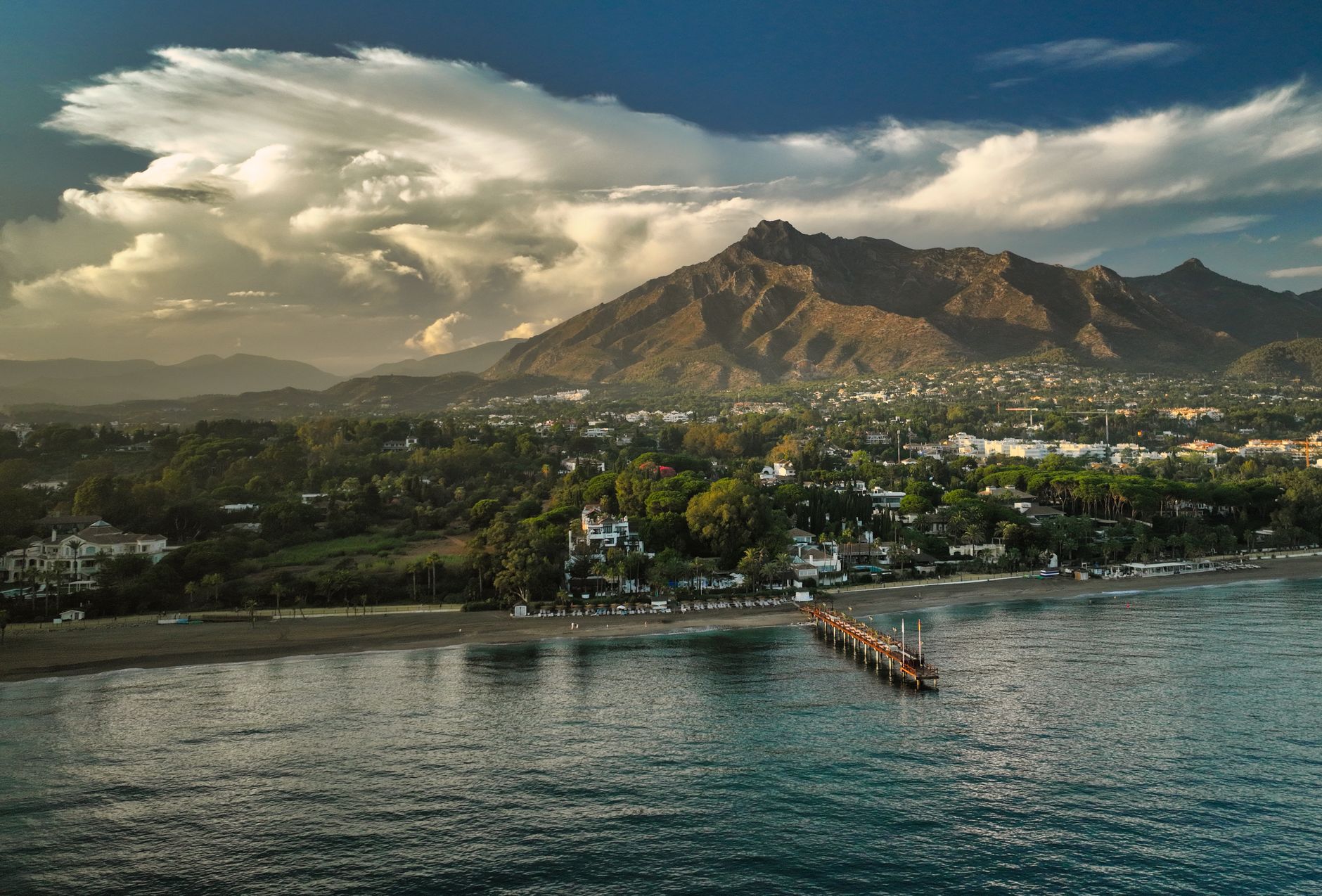
The Spanish coast is not one sea but four regimes. The Canaries: nineteen in winter to twenty-four in autumn, no season in the usual sense — but no real summer either, with August water cooler than the Costa Blanca's. The Mediterranean: a clear season from June to October, peaking in August and September. The Costa de la Luz and Cádiz: Atlantic, but warm — a season of the same length, with August water three degrees below the Mediterranean's. The north-west: no season.
The practical takeaway: if swimming is the point, the Canaries and the southern Mediterranean give the longest season, paid for in price per m² and tourist pressure. If swimming is a bonus, the northern coast returns half the price per metre and a town that lives through winter.
The longest seasons
| Place | Months ≥ 20 °C | August |
|---|---|---|
| Santa Cruz de La PalmaLa Palma | 10 | 23.5 °C |
| Los Llanos de AridaneLa Palma | 10 | 23.5 °C |
| San Sebastián de La GomeraLa Gomera | 10 | 23.5 °C |
| Santa Cruz de TenerifeTenerife, Canary Islands | 10 | 23.5 °C |
| Puerto de la CruzTenerife, Canary Islands | 10 | 23.5 °C |
| Adeje / Costa AdejeTenerife, Canary Islands | 10 | 23.4 °C |
And the shortest
| Place | Months ≥ 20 °C | July |
|---|---|---|
| SanxenxoGalicia, Rías Baixas | 0 | 16.9 °C |
| A CoruñaGalicia | 0 | 17.5 °C |
| VigoGalicia, Rías Baixas | 0 | 17 °C |
| PontevedraGalicia, Rías Baixas | 0 | 16.9 °C |
| SadaAs Mariñas, A Coruña | 0 | 17.5 °C |
| RibadeoA Mariña, Lugo | 0 | 19.2 °C |
What twenty degrees feels like
The threshold is arbitrary, so it is worth translating into sensation. Eighteen: bracing, fine for lap swimmers and northerners, five minutes for everyone else. Twenty: swimmable, though the first seconds are unpleasant. Twenty-two: comfortable for most. Twenty-four and up: warm water you can stay in for an hour — and that is what most people picture when they read the word «sea».
Counting the season as months above twenty-two rather than twenty changes the picture: the northern Mediterranean keeps three months instead of five, and the advantage of the south and the Canaries becomes decisive. Pick your own threshold — the tables above use twenty because it is the lowest point at which people swim without arguing with themselves.
Run it on your own numbers
Nine questions about budget, savings and how you live. You get three places with the reasoning for and against each.
Take the quiz