Which coastal towns are actually alive in winter
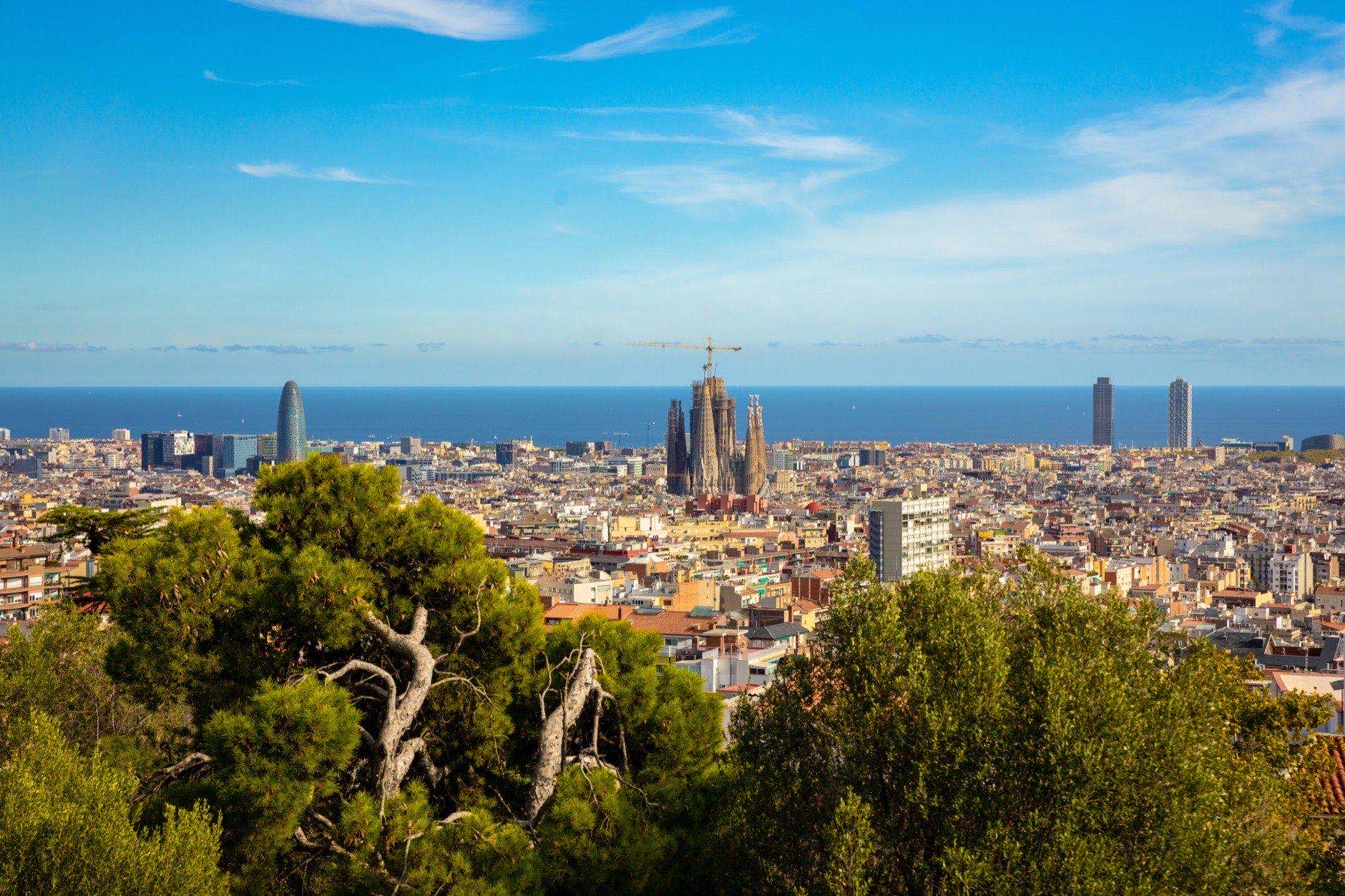
The November test is simple: arrive on a weekday evening in November and try to have dinner. Half of the Spanish coast fails it.
A resort town runs on the holiday calendar. From November to March restaurants close, the bus thins out, the pharmacy opens every other day, and the playground empties — the families who rented to tourists have moved back to the city. A tourist never sees it: they come in August. For someone moving it decides everything, and no directory measures it.
What we call winter liveability
A 1 to 5 rating: one means the town is shut in winter, five means full year-round life. This is our assessment, not a measurement — there is no official statistic for «how many places are open in February». It rests on permanent population, the share of foreign residents, the gap between August and January tourist load, and whether the town has life unrelated to the sea: a university, a port, an administration.
What «the town is shut» means
This is not a metaphor or a mood. In February in a coastal resort most restaurants are closed — not for the weekend but until Easter, with a sign saying «back in April». The bus switches to a winter timetable: instead of every twenty minutes, four services a day, the last at seven in the evening. The pharmacy takes turns with the next village, and on a Sunday the nearest open one can be fifteen kilometres away.
Then comes what people discover after moving. The gym is open but classes do not fill. The playground is empty because the families who rented to tourists moved to the city for the winter. A doctor sees you, but the specialist is in the district centre. And above all: there is physically nobody to meet — someone who came for Mediterranean sociability gets four months of silence.
The other side is honest: in winter such a town is cheap, quiet and roomy, and the beach is yours alone. For a second home or a seasonal base that is not a flaw but the point. The whole difference is whether you come for three months or live there.
Towns that stay open
The pattern is simple and dull: what stays alive is what was a town before tourism. A port, a university, an administration, an economy of its own — with the coast next door as a bonus rather than the only income. That Barcelona and Málaga stay open needs no table, so they are not in this one: what helps is small towns that live through the year despite their size.
| Place | Population | Winter |
|---|---|---|
| San Sebastián de La GomeraLa Gomera | 9 665 | 5/5 |
| AntiguaCaleta de Fuste, Fuerteventura | 14 027 | 5/5 |
| ViveiroA Mariña, Lugo | 15 091 | 5/5 |
| Santa Cruz de La PalmaLa Palma | 15 763 | 5/5 |
| SadaAs Mariñas, A Coruña | 17 469 | 5/5 |
| YaizaPlaya Blanca, Lanzarote | 18 698 | 5/5 |
| Los Llanos de AridaneLa Palma | 20 662 | 5/5 |
| PájaraMorro Jable and Costa Calma, Fuerteventura | 21 254 | 5/5 |
And those that close
This is not a verdict on the town: a place that closes for winter can make an excellent second home or a seasonal base. But moving there with children and a job is a separate decision, and one to make with open eyes.
| Place | August load | Winter |
|---|---|---|
| FisterraFisterra, A Coruña | 5/5 | 1/5 |
| LlanesAsturias, Costa Verde | 5/5 | 2/5 |
| Punta UmbríaHuelva, Costa de la Luz | 5/5 | 2/5 |
| Lloret de MarCosta Brava, Girona | 5/5 | 2/5 |
| PeñíscolaCastellón | 5/5 | 1/5 |
| SalouCosta Daurada, Tarragona | 5/5 | 2/5 |
How to test a town yourself
Come in November or February — on a weekday, not a weekend, and not in a holiday week. Then look at simple things: how many places on the main street are open and how many say «back in April»; whether the supermarket is busy at six in the evening; whether the bus shelter shows a winter timetable and how many services it lists; whether the market runs its full day or packs up by noon.
A strong signal is the school. If the town has a working school with a normal intake, families live here year-round rather than just retirees and landlords. A second signal is a queue at the pharmacy or the bank midweek: it means people have not left.
And above all, draw no conclusions from August. August is the same everywhere: everything open, a crowd on the promenade, and the difference between a town that lives and a town that shuts is invisible that month.
Price and winter are linked
Cheapness and year-round life usually contradict each other, and that is the most useful pattern visible in our base. The metre is cheaper where demand is lower — and demand is lower where winter is empty. There are exceptions, and they are worth more than anything else: northern towns that are cheap and alive all year, because they never had a resort economy.
The price for that is the sea. In the north-west the water does not warm up even in July, so the choice honestly reads: a warm sea and a dead winter, or a living town and an Atlantic you will not swim in.
A word on damp
A Spanish coastal winter is not cold, it is damp in a house without heating. Southern housing stock mostly has none, walls are thin, and at humidity near eighty per cent mould appears on the bedroom's outer wall within one season. It is the most common complaint from people who moved and regretted it, and it is almost never raised beforehand.
| Place | Winter humidity | Winter |
|---|---|---|
| CamariñasTerra de Soneira, A Coruña | 83% | 3/5 |
| FisterraFisterra, A Coruña | 82% | 1/5 |
| CeeFisterra, A Coruña | 81% | 4/5 |
| CarballoBergantiños, A Coruña | 80% | 5/5 |
| ViveiroA Mariña, Lugo | 80% | 5/5 |
| RibadeoA Mariña, Lugo | 80% | 4/5 |
Southern housing stock has no heating for a simple reason: it is unnecessary two thirds of the year and adds to construction costs. So in winter a flat is heated by the air conditioner in reverse or by portable heaters, the January electricity bill runs two or three times the summer one, and the walls stay cold anyway — and damp condenses on a cold wall.
Hence a practical conclusion worth more than the table above: all else equal, choose a flat with heating, double glazing and a southern aspect, even if it costs ten per cent more. The price difference pays back in two winters, and mould in a bedroom is not cured by opening a window.

Run it on your own numbers
Nine questions about budget, savings and how you live. You get three places with the reasoning for and against each.
Take the quiz